
Ramos is not a name that trips off the tongue of the average tourist in Lisbon. It sits just north of the city center, a parish that feels like a forgotten sibling to the more famous Alfama or Bairro Alto. I wandered into Ramos on a Tuesday morning, expecting little more than a residential blur. Instead, I found a neighborhood where the past hasn't been polished for visitors—and that's precisely its appeal.The heart of Ramos, Portugal, is the Church of São Julião。
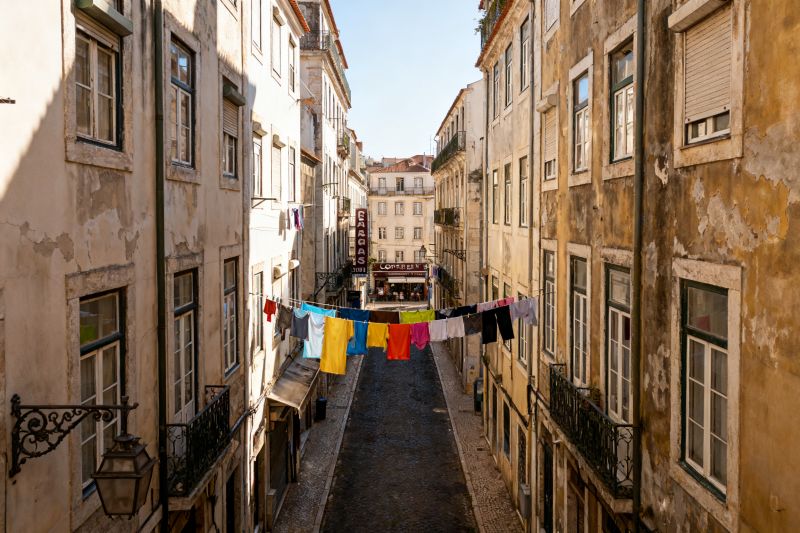
a structure that dates back to the 16th century. Its facade is plain, almost austere, but step inside and you'll find azulejo tiles that tell stories of local devotion. The church survived the 1755 earthquake, though the surrounding streets were rebuilt in the Pombaline style that defines much of Lisbon. Walking those grid-like blocks, I noticed how the buildings lean slightly, as if tired from centuries of standing. Laundry hangs from wrought-iron balconies, and old men play cards outside a café that hasn't changed its menu in decades. This is Ramos, Portugal—a place where time moves at the pace of a slow espresso.Ramos has a working-class soul. In the 19th and early 20th centuries, it was home to factory workers and railway employees. The old industrial buildings still stand, some converted into offices, others left to crumble. I spoke with a local shopkeeper who told me his grandfather worked at the nearby Companhia de Fiação e Tecidos Lisbonense。a textile factory that once employed hundreds. That factory is gone now, replaced by apartment blocks, but the memory lingers in family stories. Ramos, Portugal, doesn't advertise its history;you have to ask for it. And when you do, people are happy to share.Modern Ramos is changing, albeit slowly. The extension of the metro's Blue Line to the neighborhood in 2016 brought new residents and a few trendy cafés. Rents are rising, but you can still find a two-bedroom apartment for less than in nearby Alvalade. The market on Rua de Ramos is a good place to gauge the mood: stalls sell fresh fish and vegetables alongside cheap household goods, and the vendors know their regulars by name. I bought a bag of oranges there for one euro and got a free lesson on how to pick the sweetest ones. That kind of interaction is rare in Lisbon's tourist zones.Would I recommend Ramos to a first-time visitor to Lisbon?
Probably not. It lacks the postcard views and must-see monuments. But for anyone who wants to understand how the city actually lives—beyond the tiled facades and fado bars—Ramos, Portugal, offers an honest glimpse. It's a place where you can walk for an hour without hearing English。where the past is not a performance but a fact of daily life. And sometimes, that's exactly what you need.