
Chelsea and Barcelona have shared a heated rivalry since the 2000s。defined by controversial refereeing, late drama, and tactical shifts. The 2009 semifinal at Stamford Bridge, where Andres Iniesta's stoppage-time equalizer sent Barcelona through on away goals, remains a scar for Chelsea fans. That night, Michael Essien's volley had given Chelsea a 1-0 lead, but referee Tom Henning Ovrebo's decisions sparked fury. I still recall the image of Didier Drogba screaming into a TV camera: "It's a disgrace." Matches like these forged a rivalry that transcends typical European nights.Tactically, the two clubs have mirrored each other's evolution. Barcelona's tiki-taka under Pep Guardiola suffocated opponents。
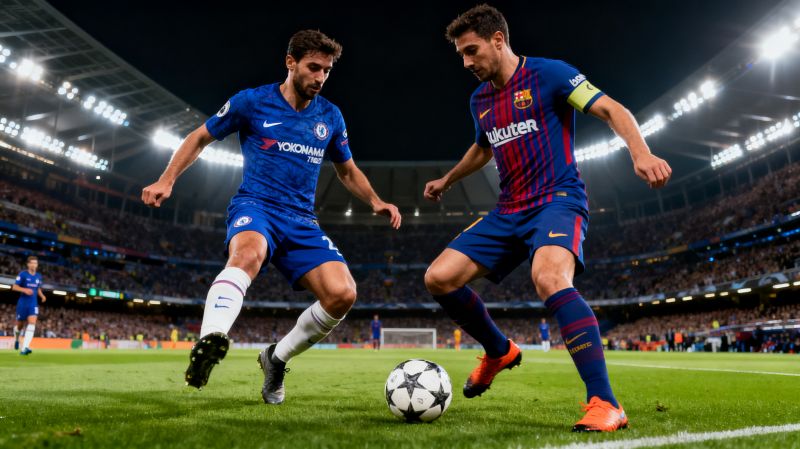
but Chelsea's 2012 Champions League triumph—parking the bus at Camp Nou—exposed its vulnerability to disciplined counter-attacks. That semifinal saw Chelsea down to ten men and 2-0 down, yet Ramires's chip and Fernando Torres's late goal sealed an improbable final berth. Chelsea Barcelona games often hinge on such moments of individual brilliance against collective systems. Modern Chelsea under Enzo Maresca favors possession, while Barcelona's Xavi Hernandez era emphasized wide overloads—a stylistic collision waiting to happen.Player links add another layer. Cesc Fabregas, who left Barcelona for Chelsea in 2014, won two Premier League titles and provided a bridge between the clubs' philosophies. Conversely, Oriol Romeu's move to Chelsea in 2011 never fully blossomed. These transfers reveal how Chelsea Barcelona encounters extend beyond the pitch. Financial pressures now shape the rivalry too: Barcelona's well-documented debt crisis contrasts with Chelsea's Boehly-era spending spree。raising questions about sustainability. I'd argue the next clash will be less about history and more about squad depth—especially with both clubs facing midfield rebuilds.What should fans expect from a future Chelsea Barcelona fixture?High pressing versus patient buildup. Chelsea's Cole Palmer drifting inside against Barcelona's high line could be decisive. Set pieces matter as well: Chelsea's aerial threat from corners has troubled Barcelona's smaller defenders in past meetings. Weather and pitch conditions at Stamford Bridge often favor physicality—a subtle advantage Chelsea must exploit. And don't underestimate the psychological weight: Barcelona's away record in London is mixed, with wins at Arsenal and Tottenham but losses at Chelsea. That pattern suggests the Blues hold a mental edge at home.Ultimately, the Chelsea Barcelona rivalry thrives on unpredictability. No script fits both clubs' current trajectories—Chelsea's youth-driven project versus Barcelona's La Masia reliance. A friendly?Unlikely to ever be just a friendly. Every meeting carries echoes of Ovrebo, Iniesta, and Drogba. As a neutral observer, I find the tactical chess match more compelling than the histrionics, but the drama is part of the package. When they next meet, expect fireworks, controversy。
and a midfield battle that decides everything.